


Karen Basiye, Safaricom’s Director of Sustainable Business, Social Impact and Foundations, has been named the Schwab Foundation Corporate Social Innovator of the Year 2026. The award is given by the Schwab Foundation for Social Entrepreneurship, in partnership with the World Economic Forum.
The recognition places an African business leader among a small global group shaping how companies respond to social and environmental challenges. It also reflects a wider shift in how large firms are expected to operate. Profit alone is no longer enough. Impact now matters.
Basiye has led Safaricom’s efforts to embed sustainability into core business decisions. Her work spans climate action, digital inclusion, and community investment. Rather than treating environmental, social and governance goals as side projects, her approach links them directly to long-term growth.
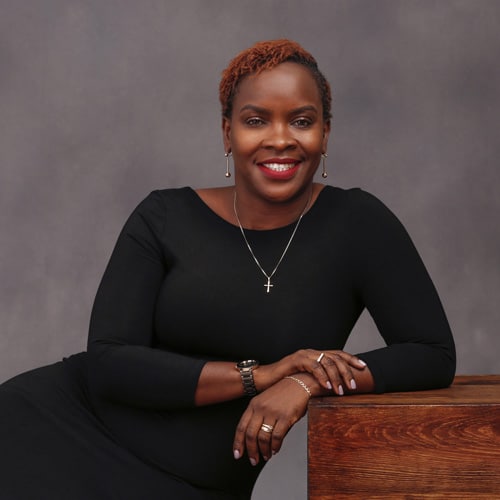
Karen Basiye, Profit alone is no Longer Enough
At Safaricom, this has meant expanding access to digital tools, supporting small businesses, and reducing environmental impact across operations. It has also involved working with partners to scale solutions beyond the company itself. The focus has been on systems that last, not short-term wins.
The Schwab Foundation award highlights leaders who use their influence inside large companies to drive positive change at scale. In Basiye’s case, the judges pointed to her ability to align technology, social impact and commercial strategy. This alignment is often difficult in large organisations, yet it is increasingly critical.
Across Africa, companies face rising pressure from regulators, investors and the public to show responsible leadership. Issues such as climate risk, youth unemployment and digital access are now business risks as well as social ones. Leaders who can navigate both worlds are in short supply.
Karen Basiye recognition signals growing global interest in African-led models of responsible business. It also shows that sustainability leadership from the continent is shaping global conversations, not just following them.


