


Xiaomi has unveiled the Redmi Note 15 Series in Kenya, adding three new models to one of its most popular smartphone lines. The range includes the Redmi Note 15 Pro+ 5G, Redmi Note 15 Pro, and Redmi Note 15. The launch signals a clear focus on durability, battery endurance, and practical upgrades aimed at everyday users, rather than experimental features or sharp price jumps.
The company says the new series is built around what it calls “Redmi Titan Durability,” a design approach that combines stronger structures, larger batteries, and better protection against dust and water. It is a move that reflects how mid-range buyers are now prioritising long-term value and reliability over short-term performance gains.

A Push Toward Longer-Lasting Phones
Battery performance sits at the centre of the Redmi Note 15 update. The top-end Pro+ 5G model introduces a 6,500mAh silicon–carbon battery, a first for the Redmi Note line. This allows higher energy density without making the phone bulkier. With 100W fast charging and reverse charging support, the device targets users who rely heavily on their phones throughout the day.
The Pro models are also designed to retain at least 80% battery health after years of use, addressing a common pain point for consumers who hold onto devices for longer. The standard Redmi Note 15 follows closely with a 6,000mAh battery, reinforcing the brand’s emphasis on endurance across price tiers.
Stronger Build Meets Real-World Conditions
Beyond battery life, Xiaomi has focused on physical resilience. The Redmi Note 15 Pro+ 5G has received independent certification for resistance to drops, pressure, and bending. Reinforced frames, tougher glass, and shock-absorbing layers are meant to reduce damage from everyday accidents.
Water and dust resistance has also been expanded. The Pro+ model supports high-level protection standards, including resistance to immersion and high-pressure water. While the lower models offer less extreme protection, they are still built to handle spills, splashes, and daily exposure. Features like wet-touch screen response point to practical use rather than lab-only performance.
| Feature | Redmi Note 15 | Redmi Note 15 Pro | Redmi Note 15 Pro+ 5G |
| Display | 6.77″ 120Hz AMOLED | 6.83″ 1.5K AMOLED | 6.83″ 1.5K Curved AMOLED |
| Processor | Helio G100 Ultra | Dimensity 7400-Ultra | Snapdragon 7s Gen 4 |
| Main Camera | 108MP AI Camera | 200MP with OIS | 200MP [4th Gen Sensor] |
| Battery | 6,000mAh | 6,580mAh | 6,500mAh [Silicon-Carbon] |
| Charging | 33W Fast Charge | 45W Turbo Charge | 100W HyperCharge |
| Durability | IP64 / Gorilla Glass 5 | IP68 / Gorilla Glass Victus 2 | IP69K / 2.5m Drop Certified |
| Starting Price | KES 24,999 | KES 36,999 | KES 54,999 |
Redmi Note 15 Series Camera and AI Features Move Closer to Flagship Territory
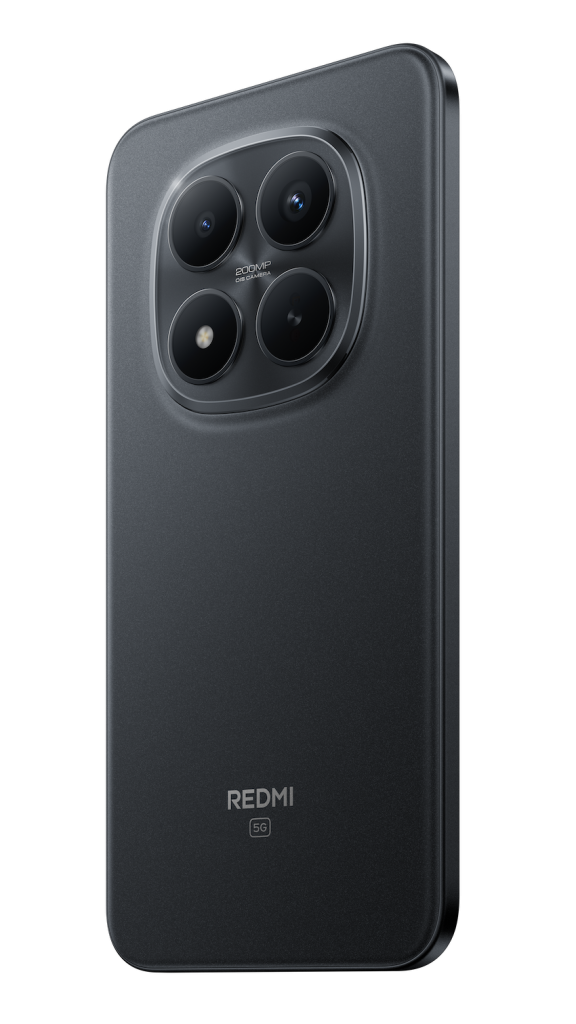
Imaging is another area of steady improvement. The Pro+ 5G leads with a 200MP main camera, supported by advanced processing and multiple focal lengths from a single lens. The aim is flexibility, allowing users to shoot wide scenes, portraits, and close-ups without switching cameras.
The Redmi Note 15 uses a 108MP camera system, which still places it competitively in the mid-range segment. Across the series, AI-powered tools support editing, portrait effects, and image cleanup, making photography simpler for non-expert users.
Pricing, Partnerships, and Market Strategy
In Kenya, prices start from KES 24,999 for the Redmi Note 15, KES 36,999 for the Note 15 Pro, and KES 54,999 for the Pro+ 5G. Xiaomi has paired the launch with retail promotions, instalment payment options, and bundled offers, reflecting the importance of affordability in the local market.
By combining durability, large batteries, and incremental camera upgrades, the Redmi Note 15 Series positions itself as a practical choice in a crowded mid-range space. Rather than redefining the category, Xiaomi appears focused on refining what users already value most: phones that last longer, survive daily wear, and deliver consistent performance over time.


